We used our Blue Lozenge Infinity Model — Discover, Define, Develop and Deliver — to understand the routine and manual worker audience and craft campaign messaging and content that sparked behaviour change. Through audience insight reports and an analysis of other stop smoking campaigns, we identified three distinct audience personas within the routine and manual worker group: mothers, long-term smokers, and young smokers. Using the COM-B behavioural framework, we assessed each group's capability, opportunity and motivation to change, and found that mothers and long-term smokers shared the most common ground - both viewed smoking as a reward or relief and had a genuine desire to quit but had previously relied on willpower alone. Research also showed that gain-framed messaging - highlighting the positive benefits of quitting rather than the dangers of continuing - is more effective for adult smokers than fear-based approaches, as threatening messages can trigger defensive responses. This directly shaped our creative strategy. Using the EAST framework (Easy, Attractive, Social, Timely), we identified targeted Meta advertising and Google Ads as channels that would allow us to reach the right audience and drive traffic to stop smoking support. We prioritised social media channels that delivered reliable reach and frequency and created assets featuring real routine and manual workers from Reading in their workplaces. We ensured our ads reached the right people by targeting location and occupation. Our messaging focused on the positive gains of quitting rather than the risks of continuing, and we made sure to reference available cessation products and local services so that future quit attempts would not rely on willpower alone.

Stop smoking campaign for routine and manual workers

The challenge

Reading Borough Council (RBC) wanted to reduce smoking rates among routine and manual workers in Reading, a group that were identified to have high rates of smoking despite the wealth of health messaging and options to quit available. 

RBC needed a campaign that would speak directly to the people it was trying to reach and connect them with free local stop smoking support via the SmokeFreeLife Berkshire website.

Our approach

We used our Blue Lozenge Infinity Model — Discover, Define, Develop and Deliver — to understand the routine and manual worker audience and craft campaign messaging and content that sparked behaviour change. 

Through audience insight reports and an analysis of other stop smoking campaigns, we identified three distinct audience personas within the routine and manual worker group: mothers, long-term smokers, and young smokers. Using the COM-B behavioural framework, we assessed each group’s capability, opportunity and motivation to change, and found that mothers and long-term smokers shared the most common ground – both viewed smoking as a reward or relief and had a genuine desire to quit but had previously relied on willpower alone. 

Research also showed that gain-framed messaging – highlighting the positive benefits of quitting rather than the dangers of continuing – is more effective for adult smokers than fear-based approaches, as threatening messages can trigger defensive responses. This directly shaped our creative strategy. 

Using the EAST framework (Easy, Attractive, Social, Timely), we identified targeted Meta advertising and Google Ads as channels that would allow us to reach the right audience and drive traffic to stop smoking support. 

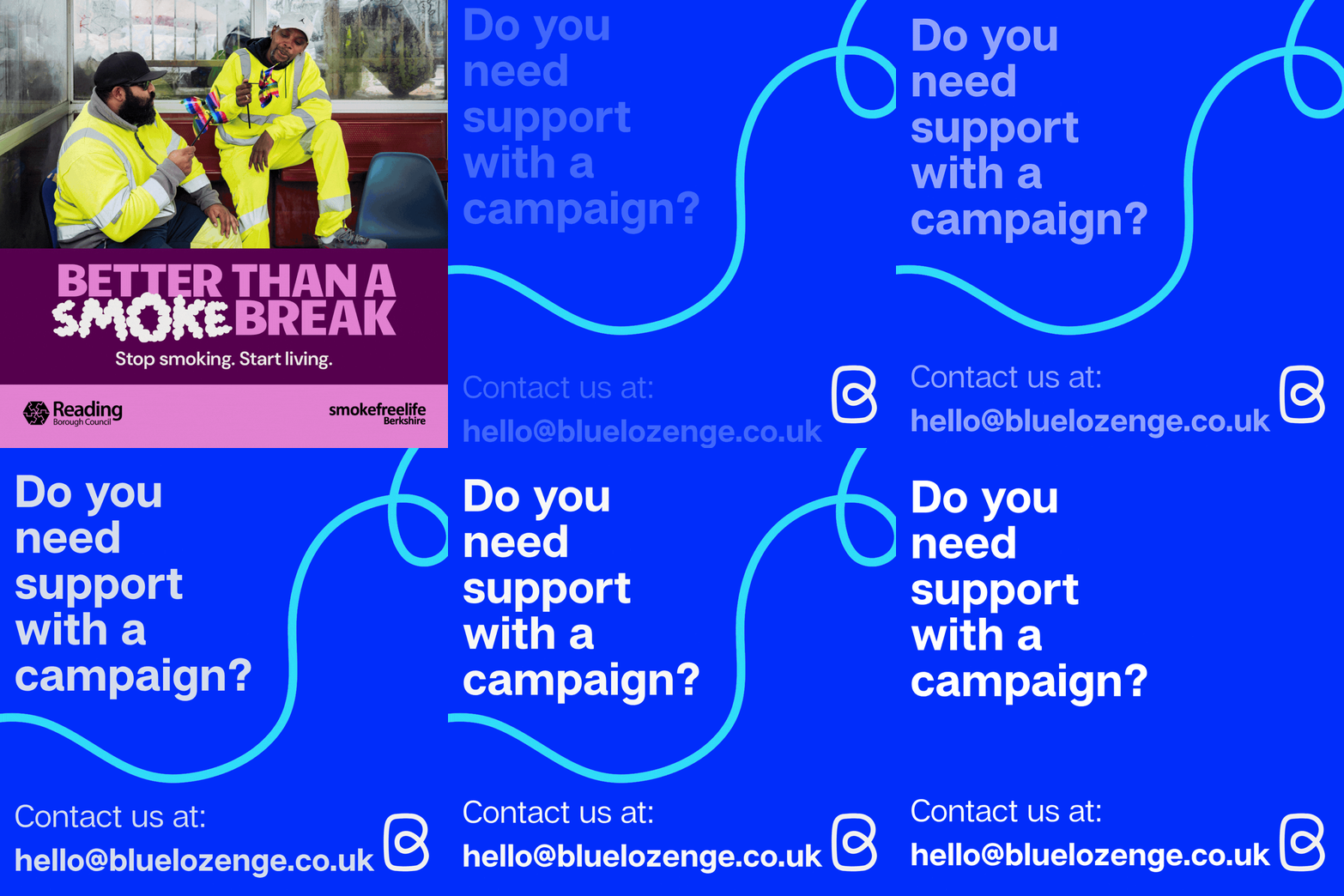
We prioritised social media channels that delivered reliable reach and frequency and created assets featuring real routine and manual workers from Reading in their workplaces. We ensured our ads reached the right people by targeting location and occupation. 

Our messaging focused on the positive gains of quitting rather than the risks of continuing, and we made sure to reference available cessation products and local services so that future quit attempts would not rely on willpower alone. 

Impact

The results exceeded our expectations. The ads featuring imagery of routine and manual workers consistently outperformed the national Stoptober content from October. 

In January, our Better than a Smoke Break creative was seen over 438,000 times and drove more than 9,000 people to find out about free local stop smoking support. The number of visitors to the SmokeFreeLife Berkshire website increased by 461%, with a 25% increase in referrals to the service during January. 

If you would like help to run a campaign, contact us at: hello@bluelozenge.co.uk